Why I built this
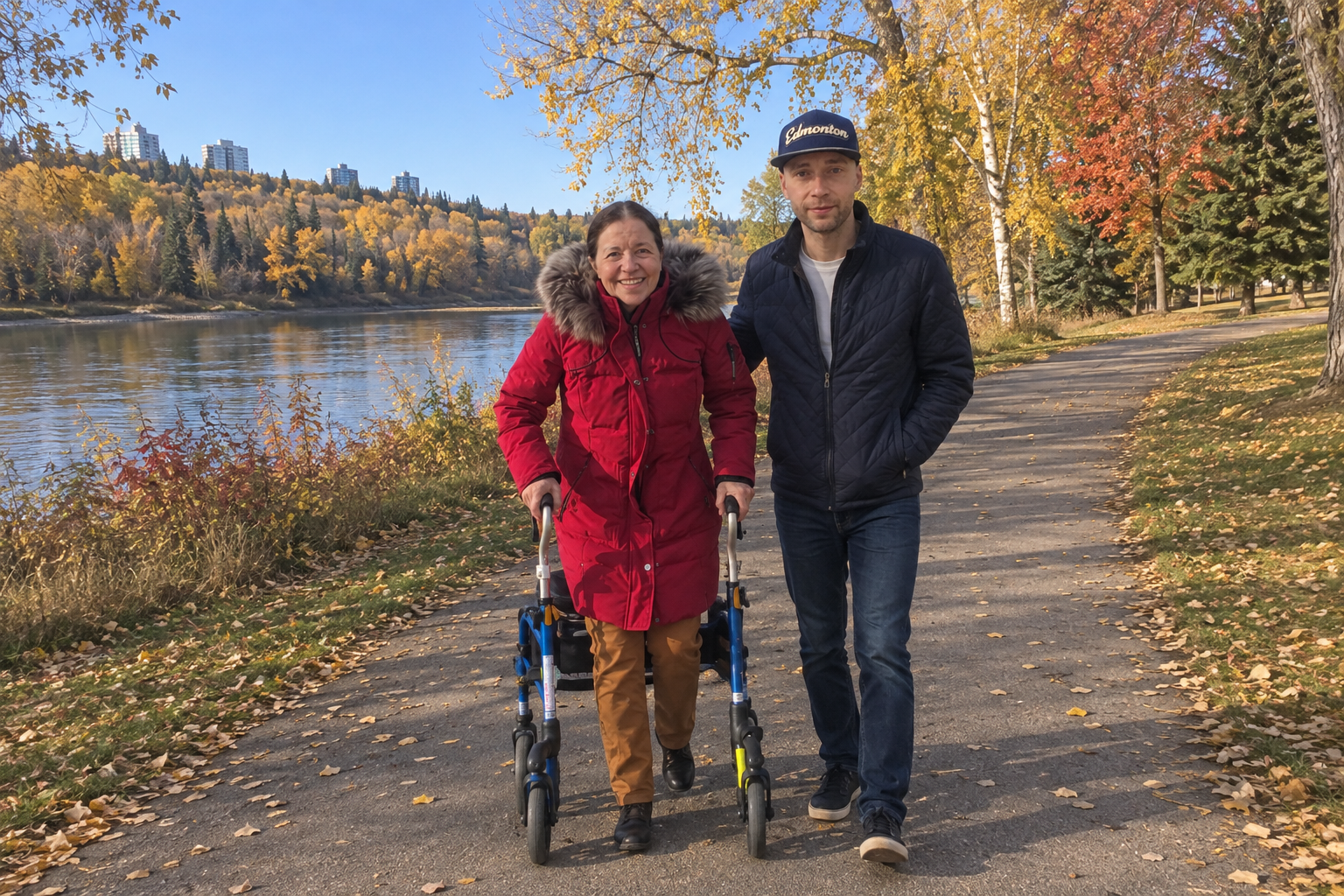
My mom, Loraleigh, was getting worse, and we could see it. Every routine checkup still ended with us being told everything looked fine.
Then she had a major health emergency, the kind that more than a few people don't survive. She did. We took it as the warning it was. It was time for a new doctor, and this time I was going to know exactly who we were choosing.
That raised a basic question: what actually falls under the title "doctor," and what do the different credentials mean? Looking into public licensing records, we were surprised by how much training backgrounds vary, and by how scattered the information was on who was taking patients. So I built a way to pull that public information together in one place.
Within less than a week, we had a meet-and-greet. We sat in the waiting room for over two hours while other people got up and left. I leaned over and whispered to my mom: "If this doctor is taking the time needed with each patient instead of a five-minute turnaround, this is the one we need."
When we sat down with her, she was soft-spoken, and we laid everything on the line. I told her we were partly there because my research showed she had one of the strongest credential backgrounds of the doctors taking patients in the city. She said, "I don't know about that." I said, "Well, I do."
My mom walked out holding four or five requisitions: ultrasound, X-rays, blood work and specialist referrals. It was the start of a stabilization and recovery we didn't see coming. Rather than keep that research to ourselves, I started sharing the lists across Alberta for free.
Travis Mako